Introduction
Email remains the backbone of modern business communication. Companies rely on it for sales, onboarding, customer updates, internal workflows, and mission-critical exchanges. But as email volumes grow, so do cyber threats. Attackers frequently impersonate business domains, send fraudulent messages, and trick recipients through phishing attempts. When this happens, your domain reputation takes a hit, your customers lose trust, and your emails may start landing in spam.
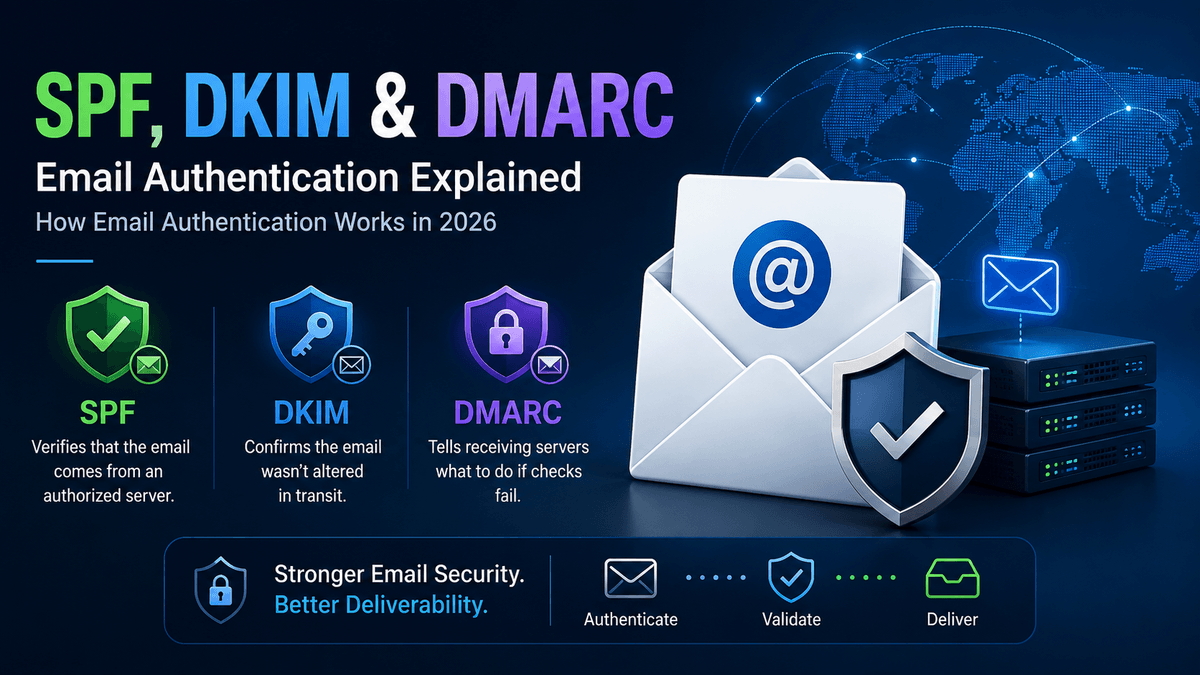
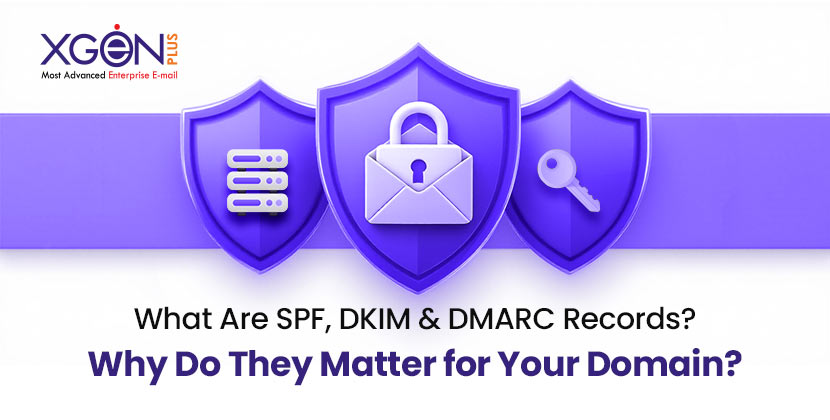
To counter these risks, businesses must use three essential authentication standards—SPF, DKIM, and DMARC. These records form the foundation of domain authentication, protect your brand identity, and significantly improve email deliverability. Whether you're using a business email solution or a full enterprise email solution, understanding these standards is crucial. This informational blog explains what they are, how they work, and why they matter for your domain’s security and performance.
Understanding SPF: Sender Policy Framework
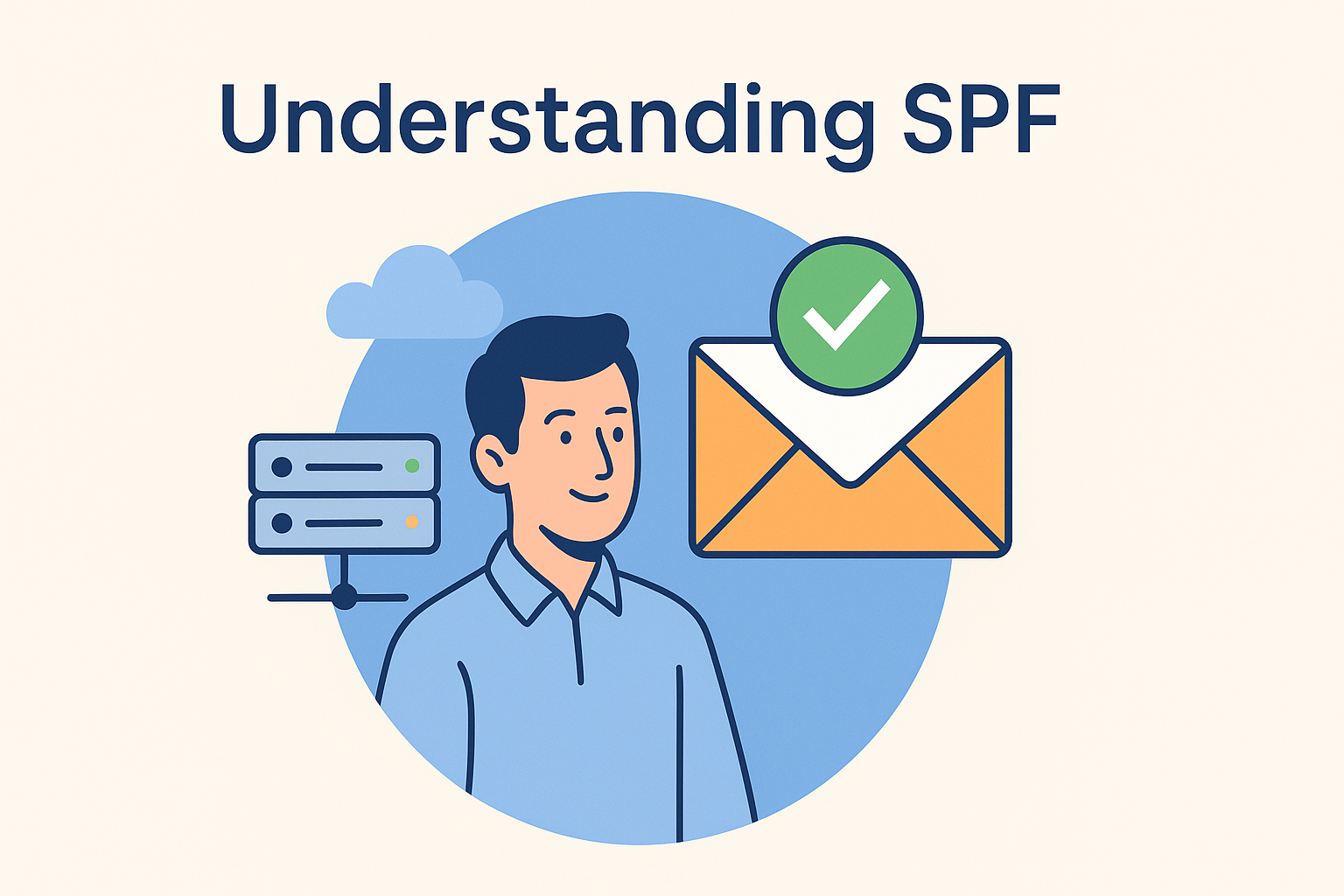
SPF is a fundamental part of SPF DKIM DMARC authentication. It lets you define which email servers are allowed to send messages on behalf of your domain. When someone receives an email from you, their provider checks your SPF record to verify if the sending source is legitimate. If it isn’t, the email is marked as suspicious or rejected.
A properly configured SPF record strengthens your domain’s credibility and ensures that only trusted servers can send email using your name. This helps organizations, especially enterprises, maintain consistent and reliable communication.
Why SPF Matters for Businesses
- Helps prevent domain spoofing and unauthorized sending
- Boosts email deliverability and inbox trust
- Protects your domain reputation
- Reduces the chance of phishing attacks using your identity
- Supports compliance and enterprise-grade security expectations
Understanding DKIM: DomainKeys Identified Mail
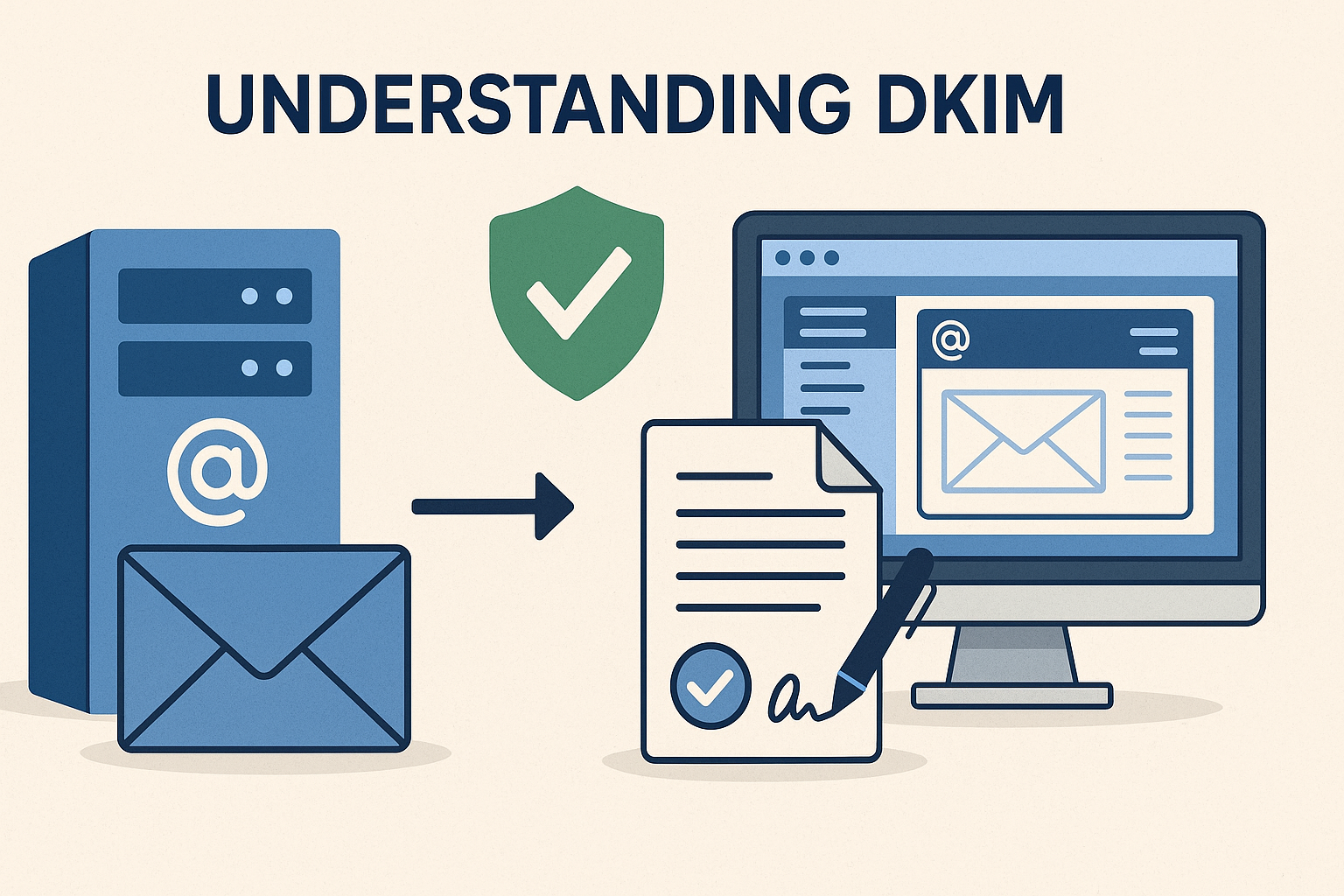
DKIM adds a second layer of verification within the SPF DKIM DMARC records framework. While SPF validates the sending server, DKIM validates the actual email content. It attaches a digital signature that confirms the message was not altered during delivery.
For businesses that send transactional emails, marketing updates, or confidential communication, DKIM ensures message integrity and strengthens overall domain authentication.
Why DKIM Is Important
- Ensures email content stays unchanged
- Increases trust with major email providers
- Improves domain reputation and inbox placement
- Reduces the risk of tampering or message manipulation
- Essential for secure business email solutions and enterprise workflow
Understanding DMARC: Domain-Based Message Authentication, Reporting & Conformance
DMARC is the policy layer that unifies SPF and DKIM. It tells receiving servers how to react if an email fails authentication. DMARC also sends valuable reports to domain owners, helping them understand who is sending emails using their domain—legitimately or maliciously.
For growing companies and enterprises, DMARC is critical. It protects your domain from attackers, enforces email legitimacy, and strengthens trust across all communication channels.
Benefits of DMARC for Organizations
- Prevents domain impersonation and fraud
- Protects your brand identity
- Improves overall email security and trust
- Provides visibility through authentication reports
- Helps companies enforce strong security policies
Why SPF, DKIM & DMARC Matter for Your Domain
When implemented together, these standards significantly enhance the reliability of your email domain. They protect your business from spoofing attempts and ensure that your messages reach the intended recipients. Without these records, attackers can misuse your domain, and your emails may fail to pass authentication checks.
These standards create a trusted environment around your communication, which is crucial for businesses using enterprise email solutions, especially in sectors where trust and compliance are mandatory.
Impact on Your Domain Reputation
- Reduces spam flags and improves inbox deliverability
- Ensures trusted communication with partners and clients
- Builds long-term domain credibility
- Prevents unauthorized entities from sending harmful emails
How These Authentication Standards Improve Business Email Deliverability
Email providers such as Google, Yahoo, and Outlook have become extremely strict about domain authentication. If your domain lacks proper SPF, DKIM and DMARC setup, they may flag your emails as unverified or unsafe.
For businesses, email deliverability directly affects revenue, customer experience, and brand trust. Missing emails can lead to missed opportunities, delayed communication, and operational errors.
Why Deliverability Improves with Authentication
- Verified senders gain priority in inbox placement
- Authenticated domains appear more credible
- Email providers trust domains with strong policies
- Spam filters treat authenticated emails favorably
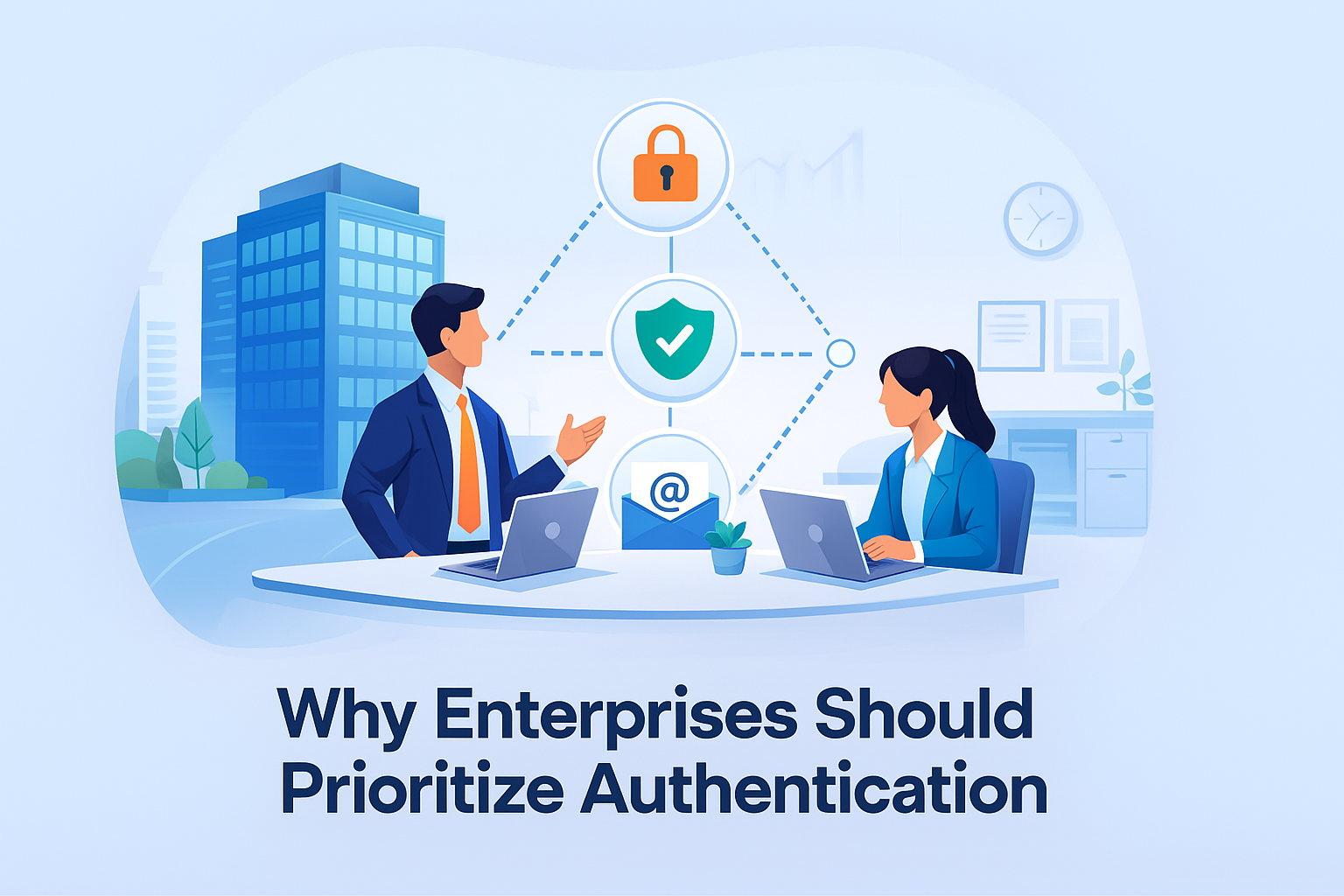
Why Enterprises Must Prioritize Domain Authentication
Enterprise organizations deal with confidential data every day—financial reports, HR communication, client information, and project documentation. If attackers impersonate an enterprise domain, the impact can be devastating. This is why authentication is a mandatory component of enterprise email solutions.
Risks of Ignoring SPF, DKIM & DMARC
- Increased phishing and spoofing attempts
- Loss of customer trust
- Compliance issues in regulated industries
- Damage to brand reputation
- Significant business and financial risk
Ensuring your domain is authenticated creates a secure communication environment for your employees, partners, and customers.
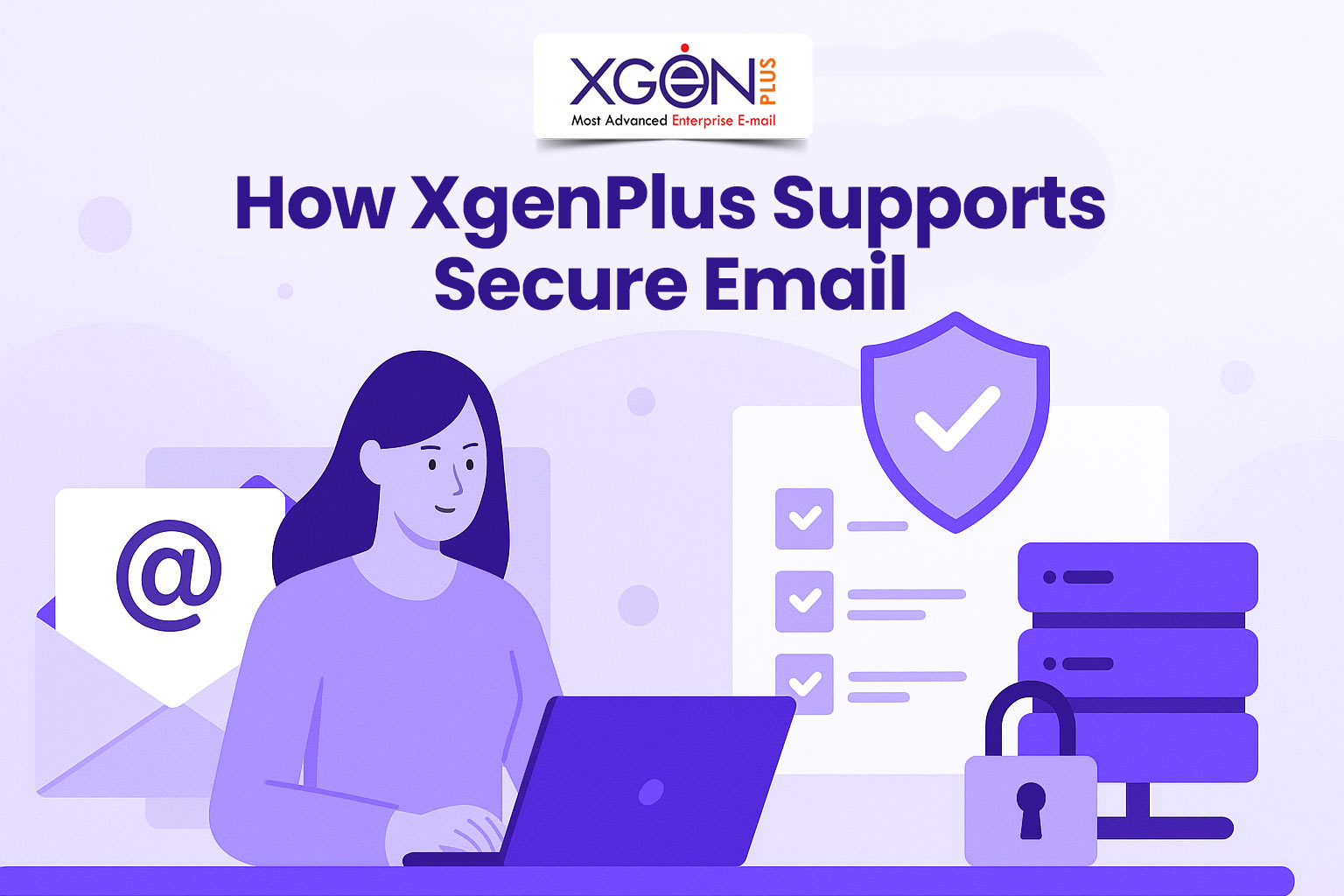
How XgenPlus Supports Secure & Authenticated Business Email
XgenPlus simplifies the entire process of email authentication. It is designed for organizations that need secure, reliable, and high-performance communication. With support for all authentication standards and advanced protection features, XgenPlus helps businesses safeguard their domain from misuse.
XgenPlus also offers solutions tailored for various needs, including:
- Business Email Plans & Pricing for different business sizes
- Business Email Partner Program for resellers and integrators
- XgenPlus Products designed for enterprise and government-grade email security
These solutions ensure that businesses maintain strong protection, improved inbox delivery, and complete control over domain communication.
Conclusion
SPF, DKIM, and DMARC are essential components of modern domain authentication. They protect your business from email spoofing, improve deliverability, and help maintain a strong and trustworthy brand identity. With cyber threats increasing every year, no organization can afford to ignore these standards. Proper authentication ensures that your communication is secure, reliable, and respected by email providers.
By combining these standards with a secure and powerful email platform like XgenPlus, businesses gain a complete edge in email protection and performance. Securing your domain today ensures safer communication and stronger relationships tomorrow.